What Is a Car Gearbox? Meaning, Types, Parts and How Gearboxes Work
Have you ever wondered what actually happens when you change gear, or how an automatic car knows exactly when to shift on its own? For many drivers, the gearbox can feel like one of the most confusing parts of a car, even though it plays a vital role every time you drive.
This straightforward guide explains everything you need to know about a car gearbox in clear, practical terms. It covers how manual and automatic gearboxes work, why they are essential for controlling engine power, and how that power is delivered smoothly to the wheels. Let's take a closer look at how gearboxes really work and why they matter.
What Is a Car Gearbox?
A car gearbox, also known as the transmission, is a vital component in vehicles with internal combustion engines. Its job is to transfer power from the engine to the wheels while adjusting speed and torque to suit different driving conditions. Without a gearbox, the engine would struggle to deliver usable power efficiently.
Inside the gearbox is a series of precisely engineered gears that work together to control how fast the wheels turn and how much force is applied. By selecting different gear ratios, the gearbox allows the car to pull smoothly, accelerate effectively, and cruise at higher speeds without placing unnecessary strain on the engine.
Cars typically use either a manual or an automatic gearbox. While both rely on complex gear systems, they differ in how gears are selected and how much input is required from the driver. Working alongside the engine and drivetrain, the gearbox plays a central role in performance, efficiency, and overall driving experience.
How Does a Car Gearbox Work?
A car engine produces power by spinning at very high speeds, measured in revolutions per minute (RPM). While this is necessary for generating power, these speeds are not suitable for everyday driving. This is where the gearbox becomes essential.
The gearbox sits between the engine and the wheels. It uses a set of gears to adjust how engine speed is converted into wheel movement. Larger gears reduce speed but increase force, while smaller gears allow the wheels to turn faster. By changing between these gears, the gearbox controls how much power and speed reach the wheels.
Lower gears provide extra force for pulling away from a standstill or driving uphill. Higher gears reduce engine effort and allow smooth, fuel-efficient driving at higher speeds. The gearbox constantly helps keep the engine working within its most efficient range as driving conditions change.
Physical Structure of a Car Gearbox
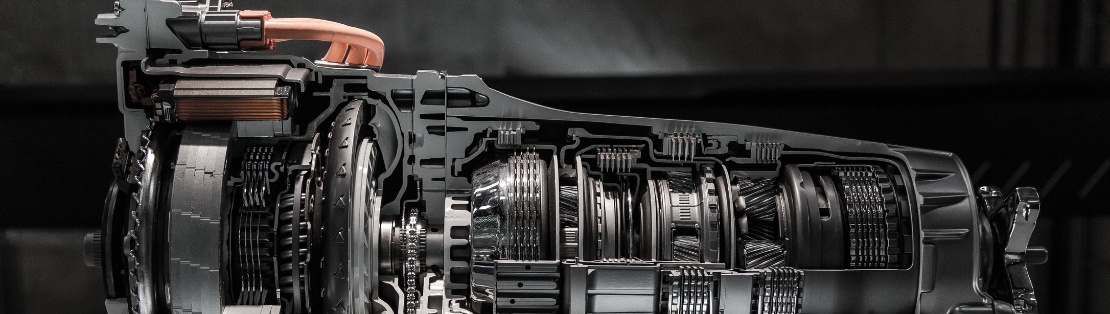
The physical structure of a car gearbox is designed to safely transfer engine power to the wheels while handling high speeds and heavy loads. All gearbox components are enclosed within a strong metal housing and kept lubricated with transmission fluid to reduce friction and wear.
While manual and automatic gearboxes work differently, their basic structure follows the same principle: controlling speed and torque through carefully arranged gears and shafts.
Core Components of a Gearbox
1. Gearbox Housing
The gearbox housing is a strong metal casing, usually made from aluminium or cast iron. It protects the internal parts from damage and holds the transmission oil that lubricates and cools the moving components.
2. Gearbox Shafts
A car gearbox typically contains three main shafts that transfer power through the system.
- Input Shaft (Clutch Shaft): This shaft receives power directly from the engine through the clutch or torque converter.
- Countershaft (Layshaft): The countershaft carries multiple gears and rotates alongside the input shaft, helping to control speed and torque.
- Output Shaft (Main Shaft): The output shaft delivers the final power to the wheels. Gears on this shaft rotate freely until selected and locked in place.
3. Gears
Gears are the heart of the gearbox. Different-sized gears adjust engine speed and torque to suit driving conditions. Most modern gearboxes use helical gears because they run more quietly and smoothly than straight-cut gears.
4. Bearings
Bearings support the rotating shafts inside the gearbox. They reduce friction, allow smooth movement, and help prevent overheating and premature wear.
Manual Gearbox Components
A manual gearbox uses additional parts to allow the driver to change gears smoothly.
- Synchronisers
- Shift Forks and Selector Rods
Automatic Gearbox Components
An automatic gearbox uses a different system to change gears without driver input.
- Torque Converter
- Planetary Gear Sets
- Clutch Packs and Brake Bands
Where Are Gearboxes Used?
Gearboxes are used in almost all road vehicles, from small cars to larger commercial vehicles. Each gearbox is designed to suit the vehicle's engine size, weight and intended use. Vehicles with features like four-wheel drive use additional gearing to send power to more than one set of wheels.
Beyond cars, gearboxes are widely used in machinery such as conveyor systems, manufacturing equipment and generators. In these settings, gearboxes control speed and force to ensure machines operate safely and efficiently.
Different Types of Car Gearboxes
Modern cars use different types of gearboxes to transfer power from the engine to the wheels in the most efficient and practical way. Each gearbox type is designed to suit specific driving needs, whether that is greater driver control, improved fuel efficiency, smoother gear changes, or reduced effort in heavy traffic. Understanding how manual and automatic gearboxes work, along with their variations, can help drivers choose the right transmission based on comfort, performance, driving conditions and maintenance preferences
A. Manual Gearbox
A manual gearbox is operated by the driver using a clutch pedal and gear lever. To change gear, the clutch disconnects the engine from the gearbox, allowing a new gear to be selected before power is reapplied.
Manual gearboxes give drivers more control over how the car behaves, but smooth gear changes require practice. Poor clutch control or incorrect shifting can cause rough driving and increased wear.
Intelligent Manual Transmission (iMT)
An Intelligent Manual Transmission (iMT) is a type of gearbox that allows the driver to change gears manually without using a clutch pedal. Instead of a mechanical clutch connection, the system uses sensors and an electronic actuator to operate the clutch automatically when the gear lever is moved.
The driver remains in control of gear selection, just like in a traditional manual gearbox, but the clutch engagement and disengagement are handled by the system. This setup reduces driver effort while still allowing precise control over gear changes and engine performance.
Why choose an Intelligent Manual Transmission?
An iMT is a good choice if you enjoy shifting gears but want to avoid using a clutch pedal, especially in stop-start traffic. With the right driving technique, it can also help improve fuel efficiency while retaining the familiar feel of a manual gearbox.
B. Automatic Transmission Gearbox
An automatic transmission gearbox changes gears on its own based on speed, engine load and driving conditions. The driver only needs to use the accelerator and brakes.
This type of gearbox is designed for ease of use and comfort, making it popular for everyday driving.
Common Types of Automatic Gearboxes
1. Torque Converter Automatic
The torque converter automatic is one of the oldest and most widely used types of automatic gearbox. Instead of a clutch, it uses a fluid-based system to transfer power from the engine to the gearbox. Inside the torque converter are turbine-like components that use transmission fluid to smoothly pass engine power to the wheels.
Because it relies on fluid rather than mechanical contact, this type of gearbox delivers smooth gear changes and allows the car to remain stationary while the engine is running. The presence of transmission fluid also helps with cooling and reduces wear on internal components.
Why choose a torque converter automatic?
A torque converter gearbox is ideal if you want a smooth, comfortable driving experience with no clutch pedal. It is known for reliability and strong low-speed torque, making it well suited to city driving and stop-start traffic.
2. Automated Manual Transmission (AMT)
An Automated Manual Transmission (AMT) is based on the same mechanical structure as a manual gearbox, using traditional gears and a clutch. The difference is that gear changes and clutch operation are controlled automatically by electronic actuators and a control unit.
The driver selects the driving mode, and once engaged, the system handles gear shifts without the need for a clutch pedal. While AMTs are convenient, gear changes can sometimes feel less smooth compared to other automatic systems.
Why choose an AMT automatic?
AMT gearboxes are a good choice if you want the convenience of an automatic at a lower cost. They are more affordable and fuel-efficient, making them suitable for budget-conscious drivers.
3. Continuously Variable Transmission (CVT)
A Continuously Variable Transmission (CVT) works differently from traditional gearboxes. Instead of fixed gears, it uses a belt running between two adjustable pulleys. By changing the pulley sizes, the gearbox can provide an almost unlimited range of gear ratios.
This allows the engine to stay at its most efficient speed while the car accelerates or slows down. As a result, CVT gearboxes offer smooth and uninterrupted acceleration without noticeable gear changes.
Why choose a CVT automatic?
CVT gearboxes are ideal for drivers who prioritise smooth driving and fuel efficiency. They are particularly well suited for city use, where gentle acceleration and frequent speed changes are common.
4. Dual-Clutch Transmission (DCT)
A Dual-Clutch Transmission (DCT) uses two separate clutches to manage gear changes. One clutch handles odd-numbered gears, while the other manages even-numbered gears. This setup allows the next gear to be prepared in advance, resulting in fast gear shifts.
Because power delivery is almost uninterrupted during gear changes, DCT gearboxes offer impressive performance and improved efficiency compared to some other automatic systems.
Why choose a DCT automatic?
A DCT gearbox is well suited to drivers who want quick gear changes and a more responsive driving experience. It combines the efficiency of a manual gearbox with the convenience of an automatic.
Benefits of a Car Gearbox
A car gearbox plays an essential role in making driving smooth, efficient, and controlled. It works by adjusting engine power to suit different driving situations, such as starting from a stop, climbing hills, or driving at higher speeds.
By changing gear ratios, the gearbox controls how much force (torque) and speed reach the wheels. This helps the engine stay within its ideal operating range, preventing unnecessary strain and improving overall performance and reliability.
Key Benefits of a Car Gearbox
- Torque Multiplication
The gearbox provides extra force when needed, such as when pulling away from a standstill or driving uphill, where the engine alone cannot deliver enough power at low speeds. - Speed Control
Different gears allow the car to move smoothly at low speeds, cruise comfortably on motorways, or accelerate when required. - Improved Fuel Efficiency
By keeping the engine running at the right speed, the gearbox helps reduce fuel consumption and avoid wasted energy. - Engine Protection
The gearbox prevents the engine from stalling at low speeds or over-revving at high speeds, reducing wear and helping extend engine life. - Better Performance and Control
It delivers power smoothly for steady acceleration and gives the driver better control over how the car responds in different driving conditions.
By managing how engine power reaches the wheels, the gearbox allows the car to perform well across a wide range of driving conditions, making everyday driving both practical and reliable.
Difference Between Manual and Automatic Car Gearbox
Both manual and automatic gearboxes perform the same basic function of transferring engine power to the wheels. However, they differ in how gears are selected, how the clutch works, and the overall driving experience they offer.
Manual vs Automatic Gearbox Comparison
| Parameter | Manual Gearbox | Automatic Gearbox |
|---|---|---|
| Operation | The driver changes gears manually using the clutch pedal and gear lever based on driving conditions. | The gearbox changes gears automatically based on speed and engine load. |
| Clutch System | Uses a dry clutch that must be operated by the driver using a pedal. | Uses systems like a torque converter or internal clutches instead of a clutch pedal. |
| Number of Gears | Usually has four to six forward gears and one reverse gear. | Typically has more gears, often six to ten forward ratios. |
| Efficiency & Maintenance | Generally, more efficient with fewer components and lower maintenance if driven correctly. | Slightly higher power loss due to fluid systems, but easier to use and low effort. |
| Driving Experience | Offers greater control and driver involvement. | Focuses on comfort and ease, especially in traffic. |
How to Choose the Right Gearbox?
Choosing between a manual and automatic gearbox depends mainly on how and where the car will be used, as well as personal driving preference.
A manual gearbox suits drivers who enjoy being involved in driving and want better control over gear changes. It works well for smaller cars, sporty driving, and situations where precise control is important. However, frequent clutch use in heavy traffic can become tiring.
An automatic gearbox is ideal for drivers who prioritise comfort and ease of driving. It is especially useful in city traffic, long journeys, and larger or premium cars. Not having to operate a clutch allows the driver to focus more on the road and overall driving comfort.
For most drivers, the final choice comes down to availability, driving habits, and previous experience. Taking a test drive is often the best way to decide which gearbox feels more suitable.
As gearbox technology continues to improve, the gap between manual control and automatic convenience is narrowing, keeping the debate relevant for modern car buyers.
FAQ's About Car Gearboxes
1. Is the gearbox the same as a clutch?
No, the gearbox and clutch are different components. The gearbox contains the gears that control speed and torque, while the clutch connects and disconnects the engine from the gearbox.
2. Why do cars need a gearbox?
Cars need a gearbox to manage engine power at different speeds. It provides different gear ratios so the car can start moving, accelerate, and cruise efficiently.
3. Can a car run without a gearbox?
No, a car cannot run properly without a gearbox. The gearbox is needed to transfer engine power to the wheels at usable speeds.
4. What is the difference between a clutch and a gearbox?
The clutch allows the engine to be connected or disconnected from the gearbox, while the gearbox changes speed and torque using different gears.
5. Which type of gearbox is best?
There is no single best gearbox. Manual gearboxes offer more control, automatic gearboxes are easier to drive, and dual-clutch gearboxes combine performance with convenience.
6. What is a 4x4 gearbox?
A 4x4 gearbox sends power to all four wheels instead of just two. This improves grip and control, especially on rough, slippery, or off-road surfaces.
7. Which is better, CVT or DCT?
A CVT provides smoother acceleration and better comfort, while a DCT offers faster gear changes and sportier performance. The better option depends on driving preference.
8. What is an automatic DCT?
An automatic dual-clutch transmission changes gears automatically using two clutches, without the need for a clutch pedal.
9. What does 4x4 mean in cars?
4x4 means the car can send power to both the front and rear axles. This improves traction and stability in challenging driving conditions.
10. What is a 7-speed gearbox?
A 7-speed gearbox has seven forward gears instead of five or six. This allows better fuel efficiency, smoother acceleration, and improved performance.
Conclusion
The gearbox is one of the most important components in your car, playing a key role in how smoothly, efficiently, and reliably it drives. Whether manual or automatic, every gearbox is designed to manage engine power, control speed, and deliver the right amount of torque for different driving conditions.
Understanding how a gearbox works, the different types available, and their benefits can help you make better decisions as a car owner. It also makes it easier to spot early warning signs of problems before they turn into costly repairs.
Because gearboxes are complex and expensive to fix, protecting them is just as important as maintaining them. A comprehensive car warranty from Warranty Direct can help cover the cost of unexpected gearbox repairs, giving you peace of mind and protecting you from large, unforeseen bills. With the right cover in place, you can drive with confidence knowing one of your car's most critical components is protected.