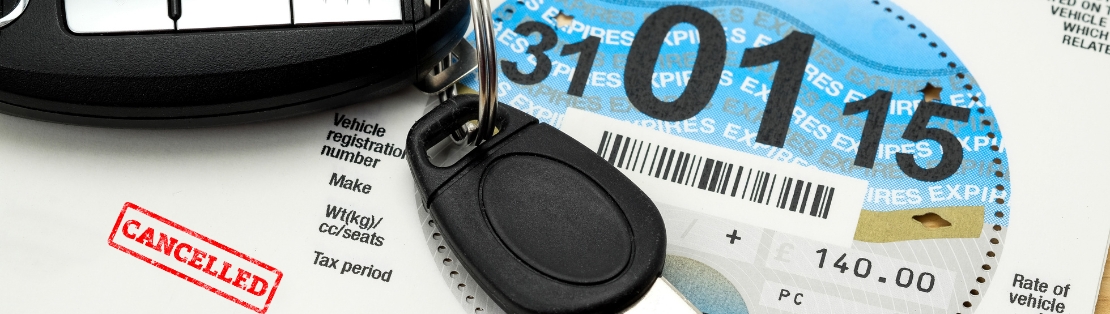
How to Cancel Road Tax in the UK: Step-by-Step DVLA Guide & Refund Rules
Introduction
Cancelling road tax is something many UK car owners need to do at some point, yet the process often feels confusing. Whether you have sold your car, scrapped it, exported it, or taken it off the road, knowing how to cancel car tax properly helps you avoid unnecessary payments and ensures you receive any refund you are entitled to from the DVLA.
This guide explains what road tax is, when you should cancel it, and how to cancel car tax in the UK, with clear explanations at each step so you know exactly what to expect.
What Is Road Tax?
Road tax, officially known as Vehicle Excise Duty (VED), is a legal requirement for most vehicles used or parked on public roads in the UK. The tax helps fund transport infrastructure and is collected and managed by the DVLA (Driver and Vehicle Licensing Agency).
Why Do You Need to Pay Road Tax?
The idea of taxing vehicles goes back hundreds of years, with early versions linked to Hackney carriages in the 1600s. However, modern road tax as we know it today was formally introduced in 1937 and is now enforced by the DVLA (Driver and Vehicle Licensing Agency).
The money collected from Vehicle Excise Duty is paid into the government's consolidated fund, which was established in 1926 when Winston Churchill was Chancellor of the Exchequer. This fund is used to support a wide range of public services, including maintaining and improving transport infrastructure, funding local projects, and helping to manage traffic congestion across the country.
UK car owners are legally required to pay road tax if they drive or park their vehicle on public roads. If you are caught using an untaxed vehicle, the DVLA can issue an £80 fine, which is reduced to £40 if paid within 28 days. In more serious cases, such as driving or leaving an untaxed car in a public place, you could face a fine of up to £1,000, and the vehicle may also be clamped or seized.
When Should You Cancel Car Tax?
You should cancel your road tax as soon as your vehicle is no longer being used on public roads. This usually applies when:
- You sell or transfer your car to someone else.
- You declare the vehicle off the road using a SORN.
- Your insurance company writes the car off.
- The vehicle is scrapped at an authorised treatment facility.
- The car is permanently exported out of the UK.
- The vehicle is registered as exempt from road tax.
If your car is stolen, road tax is not cancelled automatically. In this situation, you must inform the DVLA and apply separately for a refund.
How to Cancel Car Road Tax in the UK?
In most situations, you do not need to cancel road tax manually. The DVLA automatically cancels your car tax once they are informed of a change in your vehicle's ownership or status. However, understanding the process helps you avoid mistakes and delays.
Below are the two most common ways road tax is cancelled.
a. Cancel Road Tax Online
Cancelling road tax online is the quickest and most straightforward option for most drivers. When you sell, scrap, or export your vehicle, you must inform the DVLA using their online service. Once this is done, the DVLA automatically cancels your road tax.
There is no separate application to cancel the tax itself. The cancellation happens as part of the process when the DVLA updates their records. This method is ideal for drivers looking for how to cancel road tax online in the UK without paperwork or phone calls.
b. Cancel Car Tax Direct Debit
If you pay road tax by monthly direct debit, you do not need to contact your bank to stop payments. When the DVLA cancels your car tax, the direct debit automatically stops.
It is important not to cancel the direct debit yourself before notifying the DVLA. Doing so can cause payment issues or result in enforcement action. Always let the DVLA handle the cancellation first, and the direct debit will end on its own.
How to Cancel Your Road Tax with the DVLA: Step-by-Step Guide
Before cancelling your road tax, it is useful to check when your current vehicle tax is due to expire. You can do this online through the DVLA website or by checking your V5C logbook.
Once you know your tax status, you need to complete a V11 form, which is used for vehicle tax-related changes. This form is available online or from most UK Post Office branches.
After completing the V11 form, you submit it either online through the official GOV.UK website or by post, depending on your preference. Once submitted, the final step is to wait for confirmation from the DVLA that your request has been received and processed.
When the DVLA updates their records, your road tax will be cancelled automatically.
Can I Cancel My Car Tax Without My Car Logbook?
Yes, you can still cancel your car tax without a V5C logbook, although the process may take a little longer. If your logbook is lost or unavailable, you can contact the DVLA and provide alternative details to confirm your identity and vehicle information.
This option is helpful for drivers searching for how to cancel road tax without a log book, especially when dealing with unexpected situations such as lost documents.
Who Do I Ring to Cancel My Car Tax?
In most cases, you do not need to ring anyone to cancel your car tax, as the DVLA encourages online services. However, if you cannot use the online system or have a complex issue, you can contact the DVLA Vehicle Enquiries team for guidance.
Calling the DVLA may be useful if you are missing documents, have not received confirmation, or are unsure whether your car tax has been cancelled correctly.
Will I Get a Tax Refund If I Cancel My Car Tax?
Yes, in most situations you will receive a refund when your car tax is cancelled. The DVLA refunds any full months remaining on your road tax from the date the cancellation is processed. Partial months are not refunded.
Refunds are usually issued automatically, either by cheque or returned to the original payment method. This is especially important for drivers searching for DVLA road tax refund after cancellation.
How Much Road Tax Refund Will You Get?
If you have paid road tax in advance, you may be entitled to a refund. The DVLA issues refunds for any full months remaining on your vehicle tax after cancellation. Partial months are not refunded.
If you paid by direct debit, the DVLA will automatically stop the payments once the tax is cancelled. You do not need to contact your bank.
Refunds are calculated from the date the DVLA receives and processes your information. The refund is usually issued as a cheque and sent to the name and address listed on your V5C logbook. Refunds are not paid directly into your bank account.
What If I Don't Receive My Road Tax Refund?
Road tax refunds usually arrive within four to six weeks. If you have not received your refund after this time, you should contact the DVLA to check the status.
You can contact them online through the GOV.UK website by selecting Vehicle Enquiries, by phone on 0300 790 6802, or by writing to:
DVLA
Vehicle Customer Service Team
Swansea
SA99 1AR
FAQs
1. Can I cancel road tax online with the DVLA?
Yes, you can cancel road tax online by informing the DVLA about a change in your vehicle's status, such as selling, scrapping, exporting, or declaring a SORN. Once the DVLA updates its records, your road tax is cancelled automatically. There is no separate online form specifically for cancelling road tax.
2. Will I get a refund if I cancel my car tax?
Yes, in most cases you will receive a refund when your car tax is cancelled. The DVLA refunds any full months remaining on your vehicle tax from the date the cancellation is processed. Partial months are not refunded, and you do not need to apply separately for the refund.
3. How long does it take to get a DVLA road tax refund?
Road tax refunds usually arrive within four to six weeks after the DVLA processes your cancellation. Refunds are typically sent as a cheque to the address listed on your V5C log book, or returned to the original payment method where applicable.
4. Can I cancel road tax if I pay by direct debit?
Yes, you can cancel road tax even if you pay monthly by direct debit. Once the DVLA cancels your car tax, the direct debit stops automatically. You should not cancel the direct debit through your bank yourself, as this could cause payment or enforcement issues.
5. What happens if I forget to cancel road tax after selling my car?
If you forget to inform the DVLA after selling your car, your road tax may continue, and you could lose any refund you were entitled to. You may also be at risk of fines or penalties if the vehicle is misused before the DVLA records are updated.
6. Can I drive my car after cancelling road tax?
No. Once your road tax is cancelled, you cannot legally drive or park the vehicle on public roads unless it is re-taxed. Driving an untaxed vehicle can result in fines, your car being clamped, or even seized.
7. How can I check if my road tax has been cancelled?
You can check your road tax status online using the DVLA vehicle enquiry service. This allows you to confirm whether your vehicle is currently taxed, when the tax expires, and whether a cancellation has been processed correctly.
8. Can road tax be backdated if I cancel it late?
No, road tax refunds are not backdated. The DVLA only issues refund from the date they are officially informed about the change in your vehicle's status. Delays in notifying the DVLA may result in losing part or all of your refund.
Conclusion
Cancelling road tax at the right time helps you avoid paying for a vehicle you no longer use and ensures you receive any refund you are owed by the DVLA. Whether you are selling, scrapping, or taking your car off the road, understanding how car tax cancellation works puts you in control and prevents unnecessary costs.
However, road tax is just one part of responsible car ownership. Unexpected repair bills can still catch you off guard, especially as vehicles get older. That's where Warranty Direct extended car warranty cover can help. With protection against sudden mechanical and electrical failures, you can drive with greater confidence and financial peace of mind.
If you are planning changes to your vehicle or simply want to safeguard yourself from costly repairs, Warranty Direct offers tailored extended car warranty plans for UK drivers, helping you stay protected long after the road tax is sorted.