Potholes: How to Report Them and Claim for Pothole Damage in the UK
Potholes are a growing problem on UK roads, causing thousands of pounds in vehicle damage every year. From damaged tyres and wheels to suspension and steering issues, hitting a pothole can be costly and stressful. Understanding how to report a pothole and how to claim for pothole damage can help protect both your vehicle and your finances.
This guide explains how potholes form, how to report them correctly, and how the pothole damage claim process works in the UK.
What Is a Pothole?
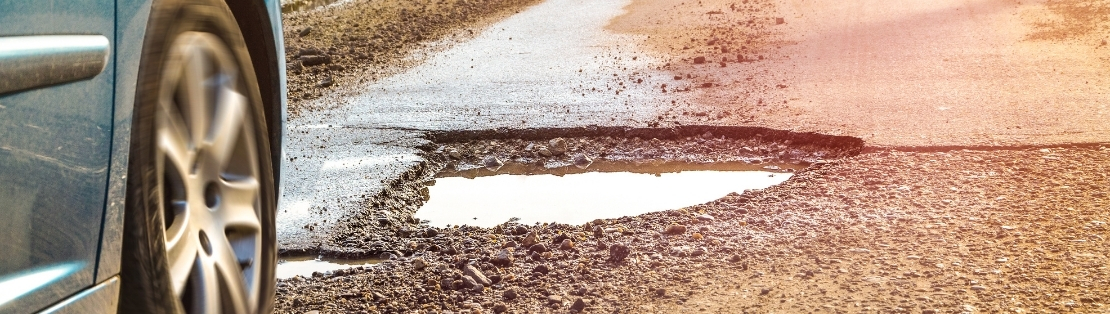
A pothole is a hole or depression on the road surface caused by structural failure. It usually forms when water enters cracks in the road, weakens the surface, and is then worn away by traffic.
Potholes vary in size and depth and can appear suddenly, especially after periods of heavy rain or freezing temperatures.
How to Report a Pothole in the UK
Reporting a pothole as soon as possible helps road authorities prioritise repairs and can also support a future pothole damage claim. The process varies depending on who is responsible for maintaining the road.
Find the Right Authority for the Road
Before submitting a report, it is important to identify who maintains the road where the pothole is located.
For most local roads, responsibility usually lies with the local council. You can use the GOV.UK website to find the correct council by entering the road name or postcode.
For motorways and major A-roads in England, potholes should be reported directly to National Highways, which manages the strategic road network.
In other parts of the UK, responsibility is handled by national or regional bodies:
- Transport Scotland for major roads in Scotland
- Traffic Wales for major roads in Wales
- Department for Infrastructure in Northern Ireland
Private roads, car parks, and some housing developments are usually the responsibility of the landowner rather than the council.
Ways to Report a Pothole
Most potholes can be reported quickly online or by phone.
One of the most common methods is using the GOV.UK reporting tool, which directs you to the appropriate local authority once you enter a postcode.
Another option is FixMyStreet, an online platform that allows you to report potholes by marking the location on a map. The report is then sent to the relevant authority.
Many councils also offer their own reporting systems, including dedicated online forms or mobile apps. For major roads in England, potholes can be reported directly to National Highways via their website or by phone.
What Information to Include When Reporting a Pothole
Providing accurate and detailed information helps authorities assess the risk and respond more quickly.
When reporting a pothole, include:
- The precise location, such as the road name, postcode, or nearby landmark
- A description of the pothole's size and depth
- Details of any immediate hazards it presents to road users
- Photographs, if it is safe to take them
If your vehicle has been damaged, photographs of both the pothole and the damage can be useful if you later decide to make a pothole damage claim.
Reporting Dangerous or Emergency Situations
If a pothole presents an immediate danger to road users, such as causing accidents or blocking the road, it may require urgent attention. In these cases, contact the relevant road authority using their emergency or out-of-hours contact details.
For situations involving immediate risk to life, emergency services should be contacted. For non-emergency road defects, using official reporting tools or apps is usually the most effective approach.
Can You Claim Compensation for Pothole Damage?
Yes, you can make a claim for pothole damage, but success depends on whether the council is legally responsible.
Councils are required to maintain roads, but they can defend claims if they can prove they carried out regular inspections and repaired defects within reasonable timeframes.
How to Claim for Pothole Damage
If your car is damaged by a pothole, you may be able to claim compensation for the repair costs. However, whether a pothole damage claim is successful depends on whether the road authority was already aware of the defect.
Under UK law, councils and highway authorities have a statutory defence. This means they cannot usually be held liable if they can show that the pothole had not been reported and was not identified through their regular inspection and maintenance processes.
For this reason, submitting your claim to the correct authority and providing strong evidence is essential.
Step 1: Identify Who Is Responsible for the Road
Before making a pothole damage claim, you must establish which authority maintains the road. Sending your claim to the wrong organisation can result in delays or your claim not being considered at all.
Responsibility generally falls into the following categories:
- Major A-roads and motorways in England are maintained by the national highways authority.
- Major roads and motorways in Scotland are managed by the relevant regional or national transport authority.
- Major roads and motorways in Wales are maintained by the Welsh traffic authority.
- Major roads and motorways in Northern Ireland fall under the Department for Infrastructure.
- All other public roads,including most residential and local roads, are usually maintained by the local council.
Identifying the correct authority ensures your pothole damage claim is reviewed by the organisation legally responsible for the road.
Step 2: Gather Evidence of the Pothole and Vehicle Damage
Strong evidence plays a crucial role in determining whether a pothole damage claim is accepted. You should collect as much information as possible as soon as the incident occurs.
This should include:
- Clear photographs of the pothole, ideally showing its depth, width, and position on the road
- Photos of the damage to your vehicle
- The exact location of the pothole, including the road name or nearby postcode
- The date and time the damage occurred
Where possible, evidence should be taken immediately after the incident to avoid disputes over the cause of the damage.
Step 3: Submit Your Pothole Damage Claim
Once you have identified the correct authority and gathered evidence, you can submit your pothole damage claim. Most councils and highway authorities provide an online claim form.
In your claim, you will need to explain how the pothole caused the damage. If the authority believes you may have a valid claim, they will usually issue a damage report form for you to complete.
Along with the form, you will typically be asked to provide:
- Copies of repair estimates or invoices
- A valid MOT certificate
- Photographs of the vehicle damage
- Any additional evidence supporting your claim
After submission, the authority will assess inspection records and maintenance schedules before making a decision.
What to Do If Your Car Is Damaged by a Pothole
If your vehicle is damaged by a pothole, taking the correct steps straight away can significantly improve your chances of making a successful pothole damage claim.
1. Record the Details of the Pothole
As soon as it is safe to do so, write down all key details about the incident. This should include the exact location of the pothole, the road name, nearby landmarks, and the date and time the damage occurred.
Make a note of the pothole's approximate size, shape, and depth. If possible, take clear photographs of the pothole and the surrounding road area. Some drivers also choose to make a simple sketch showing the position of the pothole in relation to kerbs, road markings, or junctions.
2. Gather Witness Information
If anyone witnessed the incident, try to collect their contact details. Independent witnesses can help support your claim, particularly if the highway's authority disputes liability.
3. Get Repair Quotes and Keep All Records
Arrange repair quotes from a garage as soon as possible. Keep copies of all estimates, invoices, receipts, and related paperwork in one place.
These documents will be required as evidence if you proceed with a pothole damage claim. It is also advisable to keep digital copies in case originals are lost or requested again.
4. Decide Whether Making a Claim Is Worthwhile
Before submitting a claim, consider whether it is financially worthwhile. If the cost of repairs is low, the time and effort involved in making a claim may outweigh the potential compensation.
Researching the claims process in advance can help you decide whether to proceed.
5. Submit Your Pothole Damage Claim
Once you decide to move forward, submit your claim to the correct highway's authority using their official process. A step-by-step guide to making a pothole damage claim is provided earlier in this article.
Ensure all required information and evidence are included to avoid delays.
6. Submit Your Pothole Damage Claim
Highways authorities may defend claims using Section 58 of the Highways Act. This allows them to reject claims if they can prove they operate a reasonable system of road inspection and repair.
If your claim is rejected, review the authority's guidance carefully and check whether inspection and maintenance standards have been followed.
7. Consider Negotiation or Further Action
If the highways authority makes an offer, it is worth considering it carefully. While repair costs may be negotiable, compensation for inconvenience or additional travel expenses is rarely awarded.
If your claim is rejected and you believe the decision is unfair, you may be able to pursue the matter through the small claims court. Seeking legal advice before doing so is recommended, as court action can involve additional costs.
8. Keep Communication Professional and Organised
Throughout the process, remain calm and professional in all communications with the highway's authority. Keep copies of all letters, emails, and documents sent and received.
If the matter progresses further, a clear record of correspondence may be required.
What Happens After You Report a Pothole?
Once a pothole is reported, the road authority will inspect it to determine whether it meets repair thresholds. Some potholes are repaired quickly if they pose an immediate danger, while others may be scheduled for later maintenance.
Not all reported potholes are repaired immediately, particularly if they do not meet the council's criteria for urgent repair.
How Do Potholes Form?
Potholes form when moisture penetrates small cracks in the road surface. During colder weather, this moisture freezes and expands, forcing the cracks to widen. As temperatures rise, the ice melts, leaving gaps beneath the road surface.
As vehicles drive over these weakened areas, the surface layer breaks apart and collapses, damaging the structure of the road below. Over time, repeated traffic pressure causes the hole to deepen and widen.
Potholes are typically round or oval in shape because the damage spreads outward from the weakest point in the road surface. As the underlying material erodes, the road surface gives way along the shortest path of resistance, creating a circular or bowl-shaped defect.
Adverse weather conditions significantly worsen the problem. Repeated freeze-thaw cycles, heavy rainfall, and alternating wet and dry conditions accelerate the breakdown of road surfaces, especially on older or poorly maintained roads.
While weather plays a major role, it is not the only cause. Temporary or rushed repairs can also contribute to recurring potholes. When roads are patched rather than properly resurfaced, repairs may fail prematurely, allowing potholes to reappear in the same locations.
Planned, preventative road maintenance is more effective in the long term, as it strengthens the road structure and reduces the likelihood of repeated surface failure.
Why Do Potholes Form So Frequently in the UK?
Potholes are particularly common in the UK due to a combination of environmental and structural factors. Rainwater seeps into cracks on the road surface and expands when temperatures drop below freezing. As vehicles pass over weakened areas, sections of tarmac break away, forming potholes.
Heavy traffic, ageing road surfaces, and delayed repairs all contribute to the increasing number of potholes across UK roads.
What Damage Can Potholes Do to Your Car?
Hitting a pothole can cause immediate and sometimes severe damage to a vehicle, particularly if it is struck at speed or in poor visibility.
Common types of pothole damage include buckled or cracked wheels, damaged alloy rims, tyre bulges or sidewall splits, and misaligned wheel tracking or balancing. In more severe cases, potholes can also damage suspension components, steering systems, and shock absorbers.
Even if the damage is not immediately visible, pothole impacts can affect how a vehicle handles, leading to uneven tyre wear or reduced stability over time.
Industry reports have shown that a considerable proportion of vehicle damage claims are linked to potholes, highlighting how widespread and costly the issue has become for UK drivers.
Advice to Drivers When Encountering Potholes
Driving on roads affected by potholes requires extra care. Following these practical tips can help reduce the risk of vehicle damage and improve safety for you and other road users.
- Maintain a Safe Following Distance: Leave plenty of space between your vehicle and the one in front. A greater following distance improves visibility and gives you more time to spot potholes and react safely.
- Stay Alert and Watch the Road Surface: Keep an eye out for potholes, particularly in poor weather conditions. Heavy rain can fill potholes with water, making them difficult to see and harder to judge for depth.
- Be Aware of Other Road Users: Before changing direction to avoid a pothole, check for nearby vehicles, cyclists, or pedestrians. Sudden swerves can be dangerous, especially on busy roads or in built-up areas.
- Control Your Speed: Driving at lower speeds reduces the impact force if you hit a pothole. Striking potholes at higher speeds increases the risk of tyre, wheel, suspension, and steering damage.
- Avoid Braking Directly Over a Pothole: If possible, avoid heavy braking when driving over a pothole. Braking shifts the vehicle's weight forward, placing additional strain on the front suspension and wheels, which can worsen damage.
- Drive Over Potholes with Care: If avoiding a pothole is not possible, allow the wheel to roll smoothly through it. Sudden steering movements or harsh braking can increase stress on the vehicle.
- Hold the Steering Wheel Correctly: Maintain proper control of the steering wheel when driving on damaged roads. Holding the wheel securely helps reduce the risk of losing control if the vehicle jolts unexpectedly.
- Stop Safely Before Inspecting Damage: If you suspect your vehicle has been damaged, pull over only when it is safe to do so. Avoid stopping on narrow roads, bends, or areas with limited visibility.
- Recover Lost Parts Safely: If a component such as a hubcap becomes detached, only attempt to recover it when it is safe. Never put yourself at risk by stopping in live traffic or unsafe locations.
- Get Your Vehicle Checked After Impact: If you hit a pothole and notice unusual noises, vibrations, or changes in handling, have your vehicle inspected by a garage. They can check for issues such as wheel alignment, tyre damage, suspension faults, or steering problems that may not be immediately visible.
- Check Tyre Pressures Regularly: Maintaining correct tyre pressure helps improve vehicle stability and resilience against road defects. Recommended tyre pressures can be found in your vehicle handbook or on the label inside the driver's door frame.
Why Reporting a Pothole Is Important
Reporting potholes helps local authorities identify dangerous defects and prioritize repairs. It can also reduce the risk of accidents and prevent further damage to vehicles.
Importantly, reporting a pothole creates an official record. If a pothole later causes damage, this record may support a pothole compensation claim by showing the council was aware of the issue.
What Evidence Is Needed for a Successful Pothole Damage Claim?
A successful claim usually requires:
- Proof the pothole caused the damage
- Proof of repair costs
- Evidence the pothole was hazardous
- Accurate location details
Claims without sufficient evidence are often rejected.
Why Councils Reject Pothole Damage Claims
Pothole damage claims are commonly rejected because:
- The council was not previously aware of the pothole
- The pothole was repaired within inspection guidelines
- The damage could not be directly linked
- Evidence was insufficient.
Understanding these reasons helps set realistic expectations.
Frequently Asked Questions About Pothole Damage
1. Can I claim for pothole damage to my tyres?
Yes, tyre and wheel damage are among the most common pothole damage claims.
2. Can I claim if someone else reported the pothole?
Yes, if the pothole was not repaired within a reasonable timeframe.
3. Is there a minimum pothole size for claims?
There is no official minimum size, but larger and deeper potholes are more likely to lead to successful claims.
4. How Long Does a Pothole Damage Claim Take?
There is no fixed timeframe for pothole compensation claims. Some are resolved within weeks, while others can take several months depending on complexity and investigation requirements.
5. Can Car Insurance Cover Pothole Damage?
Comprehensive car insurance may cover pothole damage, but claiming could affect your no-claims discount. Some drivers choose to pay for repairs themselves to avoid increased premiums.
6. Can a Car Warranty Help with Pothole Damage?
Extended warranties may help cover certain mechanical failures caused or worsened by potholes, such as suspension or steering components. Coverage depends on the policy and terms, so it is important to check what is included.
Conclusion
Potholes continue to cause costly and inconvenient damage for UK drivers. Understanding how potholes form, how to report them, and how the claims process works can make a real difference if your vehicle is affected.
While some damage may be recovered through council claims, this is not always guaranteed. Pothole impacts commonly affect tyres, wheels, suspension, and steering, and problems may not be immediately obvious. Checking your vehicle early can help prevent further issues.
By staying informed, driving carefully on damaged roads, and planning ahead for potential repair costs, drivers can reduce the long-term impact potholes may have on both their vehicle and their finances.