Scrap Car Prices UK: How Much Is Your Car Worth and Should You Scrap or Repair It?
Many drivers consider scrapping their car when repair costs start to rise or the vehicle repeatedly fails its MOT. However, scrapping isn't always the best financial decision. In some cases, repairing the vehicle and protecting it with an extended car warranty can cost less than replacing it altogether.
In this guide, we'll explain how scrap car prices are calculated, the factors that affect your car's value, when scrapping makes sense, and when repairing your vehicle could be the smarter option.
What Is a Scrap Car?
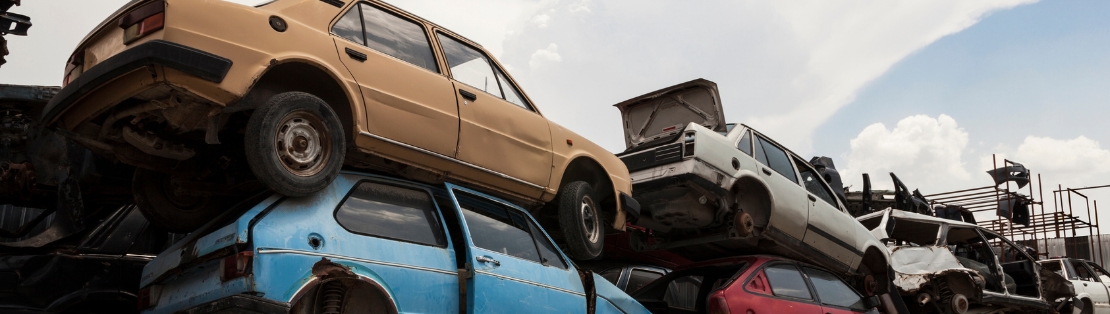
A scrap car is a vehicle that is no longer safe, roadworthy, or economically viable to repair. It is typically sold to an Authorised Treatment Facility (ATF), where it is dismantled, recycled, and disposed of in accordance with UK regulations. Vehicles are usually scrapped due to severe accident damage, major mechanical failures, extensive corrosion, or repair costs that exceed their market value.
While scrapping is the right option for some vehicles, it's not always the only solution. At Warranty Direct, we've spoken to many drivers who initially thought their car had reached the end of its life after receiving a costly repair estimate or failing its MOT. In many cases, a professional inspection revealed that only one major component needed replacing, allowing the vehicle to remain reliable for years. That's why it's important to assess your car's overall condition before deciding whether to repair or scrap it.
End-of-Life Vehicles (ELVs)
An End-of-Life Vehicle (ELV) is a vehicle that has reached the end of its usable life and is no longer practical, safe, or economical to keep on the road. Under UK law, ELVs should be disposed of through an Authorised Treatment Facility (ATF), where hazardous materials are safely removed, and recyclable components such as steel, aluminium, plastics, tyres, and glass are recovered.
From our experience, many drivers assume that an older car automatically qualifies as an ELV. However, age alone doesn't determine whether a vehicle has reached the end of its life. We've seen well-maintained vehicles with high mileage continue to perform reliably after routine repairs, while newer vehicles with severe structural damage or major engine failures have been beyond economical repair.
How Much Is a Scrap Car Worth in the UK?
The average scrap car in the UK is worth between £200 and £500, although the exact amount depends on the type of vehicle and current market conditions. Smaller cars typically receive lower offers, while larger vehicles such as SUVs, 4x4s, and vans often achieve higher values because they contain more recyclable materials.
It's important to remember that scrap prices aren't fixed. They can change throughout the year as demand for recycled metals fluctuates. For this reason, the value of the same vehicle may differ depending on when you request a quote.
According to industry data, most standard passenger cars fall within the following price ranges:
Typical Scrap Car Values
| Vehicle Type | Estimated Scrap Value |
|---|---|
| Small hatchback | £200–£300 |
| Family saloon | £250–£400 |
| SUV or 4x4 | £350–£500+ |
| Van | £350–£600+ |
These figures are intended as a general guide. The final amount offered may vary depending on the vehicle and current market conditions.
While knowing the average value is useful, every vehicle is assessed individually. In the next section, we'll explain how scrap car values are calculated and the key factors that influence the final offer.
How Is the Value of a Scrap Car Calculated?
The value of a scrap car is calculated by assessing a combination of factors rather than using a fixed price. Authorised Treatment Facilities (ATFs) and vehicle recyclers evaluate each vehicle individually, taking into account its recyclable materials, reusable parts, condition, and current market demand. Because these factors can change over time and vary by location, the value of the same vehicle may differ between recyclers.
Understanding how your car is valued can help you compare quotations more effectively and decide whether scrapping, repairing, or selling the vehicle offers the best financial outcome.
1. Vehicle Weight
Weight is one of the most important factors in determining a scrap car's value. Heavier vehicles contain more recyclable materials, such as steel, aluminium, and copper, which increases their worth. For this reason, larger vehicles like SUVs, 4x4s, and vans often receive higher offers than smaller hatchbacks or city cars.
2. Make and Model
The make and model of your vehicle can also influence its value. Some manufacturers use higher-value materials, while certain models have parts that are in greater demand in the used parts market. Components such as engines, gearboxes, alloy wheels, and electronic systems can increase a vehicle's overall value if they can be reused or refurbished.
3. Vehicle Condition
The condition of your vehicle affects how much of it can be recycled or salvaged. Cars that are complete and free from severe damage may attract better offers than those with extensive fire damage, flood damage, or structural corrosion. Missing or heavily damaged components can also reduce the final valuation.
4. Location
Your location can have an impact on the price you receive. Collection costs, local demand, and the number of authorised recycling facilities in your area all play a role. Vehicles located close to recycling centres may receive more competitive offers, while those in remote locations could have transportation costs deducted from the final price.
5. Missing or Removed Parts
A complete vehicle is generally worth more than one with missing components. Valuable parts such as the catalytic converter, battery, alloy wheels, engine, and gearbox contribute to the overall valuation. Removing these parts before scrapping your vehicle may reduce the amount a recycler is willing to pay.
6. Current Scrap Metal Prices
Scrap car prices are closely linked to the global market for recyclable metals. The value of steel, aluminium, and copper changes regularly due to worldwide supply and demand. When metal prices rise, scrap vehicles are typically worth more. Conversely, lower commodity prices can reduce the amount offered for the same vehicle.
7. Reusable Components
Not every scrap vehicle is valued solely for its metal content. Modern vehicles often contain parts that can be recovered, refurbished, and sold for reuse. Engines, gearboxes, alternators, starter motors, infotainment systems, and body panels may all add to a vehicle's value if they remain in good condition.
8. Expert Insight
While scrap value is an important consideration, it shouldn't be the only factor in your decision. If your vehicle
has been well maintained and only requires one significant repair, comparing the repair costs with the vehicle's
overall value may help you determine whether keeping it on the road offers better
long-term value than scrapping it.
Can You Get More Money Than Scrap Value?
Yes. In many cases, you can get more than your vehicle scrap value by selling it privately, trading it in, selling valuable parts separately (where appropriate), or repairing minor faults before selling. The best option depends on your car's age, condition, mileage, and repair costs.
Many drivers assume scrapping is the quickest solution, but it isn't always the most profitable one. If your vehicle is still roadworthy or only requires relatively minor repairs, exploring other selling options could result in a higher return.
1. Sell the Car Privately
If your vehicle is still roadworthy and has a valid MOT, selling it privately can often generate the highest return. Buyers are willing to pay more for a working vehicle than a recycler would pay for its metal and recyclable components.
2. Sell It for Parts
Some vehicles are worth more when dismantled than when sold as scrap, particularly if they contain desirable engines, gearboxes, alloy wheels, or electronic components. However, dismantling a vehicle requires time, storage space, and mechanical knowledge, so it isn't suitable for every owner.
3. Part Exchange
If you're planning to buy another vehicle, a dealer may accept your current car as a part exchange. While this may not always achieve the highest price, it offers convenience and reduces the hassle of arranging a private sale.
4. Repair Before Selling
Minor repairs, such as replacing worn tyres, fixing brakes, repairing lights, or addressing MOT advisories, can significantly improve your vehicle's resale value. Spending a few hundred pounds on repairs may increase the amount you receive by much more.
Expert Tip: Before accepting a scrap offer, compare the estimated repair costs with your vehicle's potential resale value. If it only requires moderate repairs, fixing it may provide a better financial return than scrapping it immediately.
Should You Scrap or Repair Your Car?
If repair costs are lower than your vehicle's value and the car is otherwise reliable, repairing it is often the better option. However, if repairs exceed the vehicle's value or involve major structural damage, scrapping may make more financial sense.
One expensive repair doesn't automatically mean your car has reached the end of its life. Many vehicles are scrapped after a major repair estimate, even though they could continue providing reliable transport for several more years. The key is to consider the overall condition of the vehicle rather than focusing on a single repair bill.
| Situation | Recommended Option |
|---|---|
| Minor engine repairs | Repair |
| Failed MOT due to tyres | Repair |
| Brake replacement | Repair |
| Suspension repairs | Repair |
| Severe structural corrosion | Scrap |
| Extensive accident damage | Scrap |
| Engine replacement costing more than the vehicle's value | Scrap |
| Reliable vehicle with one major repair | Repair and consider an Extended Car Warranty |
If your car has been regularly serviced, has a good maintenance history, and only requires one significant repair,
keeping it on the road may be more
cost-effective than purchasing another used vehicle with an unknown history.
How an Extended Car Warranty Can Help You Save Money
Once your manufacturer's warranty expires, you're responsible for the full cost of unexpected mechanical and electrical repairs. Depending on the fault, these repairs can cost hundreds—or even thousands—of pounds.
An extended car warranty helps reduce the financial impact of unexpected breakdowns by covering many major repair costs after the original warranty has ended. This can make it more affordable to keep a well-maintained vehicle on the road rather than replacing it after a single expensive repair.
Benefits of an Extended Car Warranty
- Protection against unexpected repair bills
- Greater confidence when owning an older vehicle
- Reduced financial uncertainty
- Potentially lower long-term ownership costs
- Support for expensive mechanical and electrical repairs
For many drivers, the cost of repairing one major fault is significantly less than replacing their vehicle. Combined with an extended warranty, repairing rather than scrapping may offer better long-term value.
Failed MOT? Don't Scrap Your Car Too Soon
Failing an MOT doesn't necessarily mean your vehicle should be scrapped. Many MOT failures involve routine wear-and-tear items that can often be repaired at a reasonable cost.
Some of the most common MOT failures include:
- Worn tyres
- Brake pads and discs
- Suspension components
- Faulty lights
- Windscreen wipers
- Exhaust emissions
In many cases, addressing these issues allows the vehicle to pass its MOT and continue providing reliable service. Repairing minor faults can also improve your car's resale value and extend its lifespan.
What Happens When You Scrap a Car?
Scrapping a vehicle in the UK is a straightforward process, but it's important to use an Authorised Treatment Facility (ATF) to ensure your car is disposed of legally and responsibly.
The typical process involves:
- Request a quotation from an authorised recycler.
- Accept the offer.
- Arrange collection or deliver the vehicle.
- Provide the required ownership documents.
- Receive a Certificate of Destruction (where applicable).
- Notify the DVLA that the vehicle has been scrapped.
Using an authorised recycler ensures your vehicle is dismantled safely and recycled in accordance with UK environmental regulations.
Before You Scrap Your Car
Before handing over your vehicle, remember to:
- Remove all personal belongings.
- Check the boot, glovebox, and storage compartments.
- Cancel your vehicle tax if applicable.
- Inform your insurance provider.
- Remove any parking permits or toll tags.
Following these steps can help make the scrapping process straightforward and ensure your vehicle is disposed of legally and responsibly.
How to Get the Best Scrap Price for Your Car
While you can't control the market price for scrap metal, there are several ways to maximise the amount you receive for your vehicle. Taking a little extra time before accepting an offer could result in a better payout.
Compare Quotes from Multiple Recyclers
Don't accept the first offer you receive. Scrap prices can vary between authorised recyclers based on local demand, transportation costs, and current metal prices. Comparing quotes from several providers can help you secure the best price.
Choose an Authorised Treatment Facility (ATF)
Always use a licensed Authorised Treatment Facility (ATF) when scrapping your vehicle. Besides ensuring your car is recycled legally, authorised recyclers often provide transparent pricing and issue the necessary documentation once your vehicle has been processed.
Keep the Vehicle Complete
A complete vehicle is generally worth more than one with missing parts. Components such as the catalytic converter, engine, gearbox, battery, and alloy wheels all contribute to the vehicle's value. Removing these parts before scrapping may reduce the amount you're offered.
Have Your Vehicle Documents Ready
Although it's possible to scrap a car without a V5C logbook in some situations, having your vehicle documents available can make the process quicker and easier. Keeping your service history may also help verify the vehicle's condition if requested.
Monitor Scrap Metal Prices
Scrap car prices fluctuate throughout the year because they're linked to global metal markets. If you're not in a hurry to sell, monitoring market trends and waiting for stronger metal prices could help you receive a higher offer.
Check for Free Collection
If your vehicle isn't roadworthy, collection charges could reduce your final payment. Many authorised recyclers offer free vehicle collection, so it's worth confirming this before accepting a quote.
Remove Personal Belongings
Before your vehicle is collected, check the glovebox, boot, door pockets, centre console, and under-seat storage. It's also a good idea to remove any toll tags, parking permits, dash cams, or personal accessories you want to keep.
Get the Timing Right
If your vehicle is still safe to drive and repair costs aren't urgent, taking time to compare your options can pay off. Rushing into a scrap sale may mean accepting a lower offer than you could receive elsewhere.
Expert Tip
Before scrapping your car, compare the scrap value with its potential resale value after repairs. If the vehicle only needs moderate work and has a good maintenance history, repairing and selling it privately could provide a better financial return than accepting a scrap offer.
Alternatives to Scrapping Your Car
Scrapping isn't your only option. Depending on your vehicle's condition, you could consider:
- Repairing the vehicle
- Selling it privately
- Trading it in
- Selling valuable parts
- Donating it to a charity
- Keeping it on the road with the protection of an Extended Car Warranty
Exploring these alternatives may help you achieve better value than accepting a scrap offer immediately.
Frequently Asked Questions
1. How much is my scrap car worth?
Most scrap cars in the UK are worth between £200 and £500, although the exact value depends on factors such as the vehicle's weight, make and model, condition, reusable parts, and current scrap metal prices. Larger vehicles and those with valuable components may receive higher offers.
2. Can I scrap a car without an MOT?
Yes. A valid MOT certificate is not required to scrap a car. Authorised Treatment Facilities (ATFs) accept vehicles regardless of whether they have passed or failed an MOT, provided you can demonstrate ownership.
3. Can I scrap a car without a V5C logbook?
Yes. Although having the V5C registration certificate makes the process easier, many authorised recyclers will still accept your vehicle if you can provide alternative proof of ownership and identification.
4. Do I have to pay vehicle tax before scrapping my car?
No. If you're scrapping your vehicle, you don't need to renew its vehicle tax. Once the DVLA has been notified that the vehicle has been scrapped, any remaining full months of vehicle tax are normally refunded automatically to the registered keeper.
5. Can I scrap a financed car?
Generally, no. If your vehicle is subject to finance or hire purchase, the finance company remains the legal owner until the agreement has been settled. You'll usually need the lender's permission before scrapping the vehicle.
6. Is it better to repair or scrap my car?
It depends on the repair costs, the vehicle's overall condition, and its market value. If the repairs are relatively minor and the car has been well maintained, repairing it may provide better long-term value. However, if repair costs exceed the vehicle's value or the car has severe structural damage, scrapping may be the more practical option.
7. Can an extended car warranty help reduce repair costs?
Yes. Once a manufacturer's warranty has expired, an extended car warranty can help cover the cost of many unexpected mechanical and electrical repairs, reducing the financial impact of owning an older vehicle. The level of cover depends on the warranty plan you choose.
8. How do I know if my car is worth more than its scrap value?
Compare the scrap offer with your car's estimated resale value and the cost of any repairs. If the vehicle only requires minor work and is otherwise in good condition, selling it privately or trading it in may generate a higher return than scrapping it.
Conclusion
Scrapping your car isn't always the only—or the best—option. While vehicles with severe accident damage, extensive corrosion, or repair costs that exceed their value are often better suited for recycling, many cars with a failed MOT or an unexpected mechanical fault can still provide years of reliable service after the right repairs.
Before accepting a scrap offer, compare your vehicle's estimated repair costs, current market value, service history, and overall condition. Taking the time to evaluate your options could help you achieve better value by repairing, selling, or part-exchanging your vehicle instead of scrapping it.
If you decide to keep your car, protecting it against future repair costs is just as important. An Extended Car Warranty from Warranty Direct can help cover many unexpected mechanical and electrical repairs once your manufacturer's warranty has expired, giving you greater confidence and helping you manage the cost of ownership.
For more advice on maintaining your vehicle and avoiding unexpected repair bills, you may also find these guides useful:
Whether you choose to repair, sell, or scrap your vehicle, understanding your options will help you make an informed decision and maximise the value of your car.